
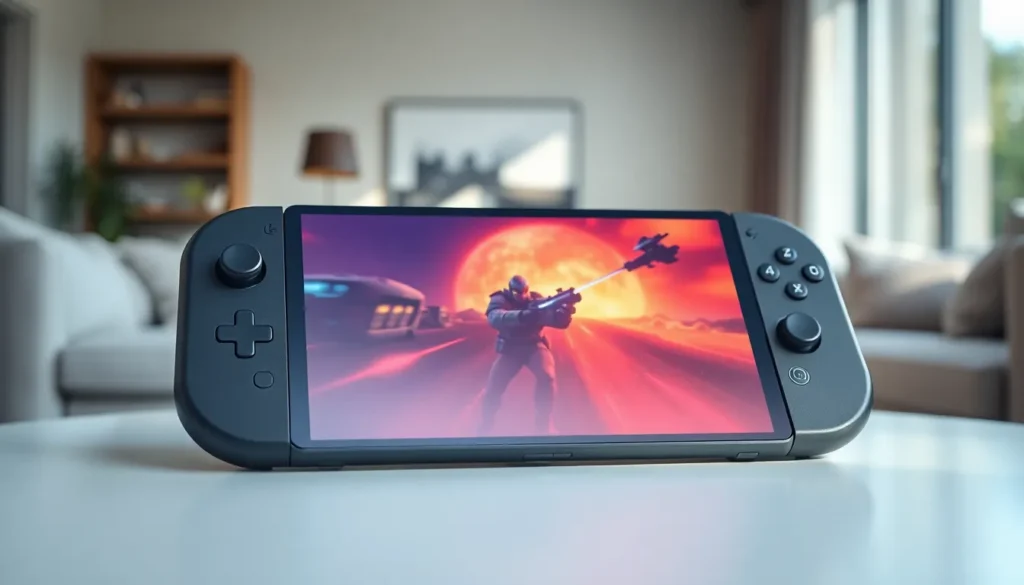

Choosing the best Steam Deck in 2025 comes down to a few key decisions. Valve’s handheld gaming PC has evolved since its 2022 launch, and buyers now have multiple options to consider. The Steam Deck OLED arrived in late 2023 with significant upgrades, while the original LCD model remains available at a lower price point. This guide breaks down each option, highlights the key differences, and helps gamers pick the right Steam Deck for their needs and budget.
Table of Contents
ToggleKey Takeaways
- The best Steam Deck for most gamers in 2025 is the OLED 512GB at $549, offering the ideal balance of display quality, battery life, and storage.
- Steam Deck OLED features a 7.4-inch HDR display with 90Hz refresh rate and up to 50% longer battery life compared to the LCD model.
- Budget buyers can still get an excellent experience with the Steam Deck LCD 256GB at $399, which runs the same games with identical performance.
- All Steam Deck models support microSD card expansion, making storage upgrades affordable and easy.
- Check Valve’s compatibility ratings before buying to ensure your favorite games are verified or playable on Steam Deck.
- Refurbished Steam Deck units from Valve offer the same warranty as new devices and can save you $50-100.
Steam Deck OLED vs. Steam Deck LCD
The Steam Deck OLED and Steam Deck LCD share the same core design, but several upgrades separate them. Understanding these differences helps buyers make an informed choice.
Display Quality
The OLED model features a 7.4-inch HDR OLED display with a 90Hz refresh rate. Colors appear more vibrant, blacks look deeper, and the overall image quality surpasses the LCD version. The LCD Steam Deck uses a 7-inch IPS screen with a 60Hz refresh rate. It’s perfectly serviceable, but side-by-side, the OLED screen wins easily.
Battery Life
Valve upgraded the OLED’s battery to 50Wh, compared to 40Wh in the LCD model. Real-world testing shows the OLED lasts 30-50% longer during typical gaming sessions. That extra playtime makes a noticeable difference on long flights or commutes.
Storage and Connectivity
Both models offer expandable storage via microSD cards. But, the OLED starts at 512GB, while the LCD’s base model ships with 64GB eMMC storage. The OLED also includes Wi-Fi 6E support, offering faster download speeds for those with compatible routers.
Weight and Size
Even though the larger screen, the OLED weighs slightly less, 640g versus 669g for the LCD. The difference feels minor in practice, but every gram counts during extended play sessions.
The best Steam Deck for display quality and battery life is clearly the OLED. Still, the LCD remains a solid device that plays the same library of games.
Best Steam Deck for Most Gamers
For most gamers, the Steam Deck OLED 512GB represents the best overall value. It hits a sweet spot between price, performance, and features.
The 512GB storage holds roughly 10-15 AAA games without needing a microSD card. The OLED display transforms games like Elden Ring, Hades, and Baldur’s Gate 3 with richer colors and smoother motion. Battery life improvements mean fewer interruptions and less anxiety about finding an outlet.
At $549, the OLED 512GB costs $100 more than the original 512GB LCD did at launch. That premium buys meaningful upgrades rather than incremental tweaks. Gamers who plan to use their Steam Deck regularly will appreciate these improvements daily.
The 1TB OLED variant exists for those who want maximum storage out of the box. At $649, it’s a harder sell since microSD cards offer cheaper expansion. But for users who prefer internal storage or want the premium anti-glare etched glass screen, it’s worth considering.
The best Steam Deck for most people balances cost and capability. The OLED 512GB delivers that balance better than any other option in 2025.
Best Budget-Friendly Steam Deck Option
Budget-conscious buyers still have options. The Steam Deck LCD 256GB offers the cheapest entry point into Valve’s ecosystem.
Priced at $399, the LCD 256GB provides access to Steam’s entire library. It runs the same games as the OLED, uses the same SteamOS, and supports the same accessories. The screen looks good, just not as good as OLED. Battery life falls shorter, but portable chargers solve that problem.
The 256GB storage feels tight for modern games. Call of Duty titles alone can exceed 100GB. Adding a fast microSD card bumps the total cost but keeps things manageable. A 512GB card runs about $40-50, bringing the total investment to around $450.
Refurbished Steam Deck units from Valve offer another path to savings. These certified devices come with the same warranty as new units and often cost $50-100 less. Availability varies, but checking Valve’s store regularly can reveal deals.
Is the LCD the best Steam Deck for budget buyers? Yes, if saving $150+ matters more than having the latest display technology. The gaming experience itself remains excellent. Every title that runs on the OLED runs identically on the LCD. Performance doesn’t change, only the presentation does.
Key Features to Consider Before Buying
Several factors beyond price and display type affect which Steam Deck suits a buyer best.
Game Library Compatibility
Steam Deck runs most Steam games, but not all. Valve’s compatibility ratings help identify supported titles. Games marked “Verified” work perfectly. “Playable” games may need minor tweaks. “Unsupported” titles might not run at all. Checking the library before buying prevents disappointment.
Accessories and Docking
The official Steam Deck Dock adds HDMI output, USB ports, and Ethernet connectivity. Third-party docks work too, often at lower prices. Gamers who want TV play should budget for a dock.
Cases, screen protectors, and travel bags extend the device’s lifespan. Valve includes a carrying case with every Steam Deck, but upgraded options exist for those who want better protection.
Software and Updates
SteamOS receives regular updates that improve compatibility and add features. Valve has shown consistent support since launch. Buyers can also install Windows for access to non-Steam games, though this requires extra setup.
Build Quality
Both Steam Deck models feel solid. The controls, triggers, and trackpads work identically across versions. Quality concerns that affected early LCD units have been addressed through manufacturing improvements.
Future Considerations
Rumors suggest Valve is developing a Steam Deck 2, but no official announcement exists. The current best Steam Deck options should remain relevant for years. Waiting indefinitely for unconfirmed hardware rarely makes sense.


