Minecraft for beginners can feel overwhelming at first. The game drops players into a blocky world with no instructions and expects them to figure things out. But that’s also part of the magic.
Since its release in 2011, Minecraft has sold over 300 million copies worldwide. It’s become one of the best-selling video games in history, and for good reason. The game offers endless creativity, exploration, and survival challenges that keep players hooked for years.
This guide covers everything new players need to know. From understanding game modes to surviving that crucial first night, these tips will help anyone get started on the right foot. Let’s dig in.
Key Takeaways
- Minecraft for beginners works best in Survival Mode, which teaches core mechanics like gathering resources, crafting tools, and building shelters.
- Mastering basic controls—movement (WASD), breaking blocks (left-click), and opening inventory (E key)—is essential before focusing on survival.
- Survive your first night by punching trees for wood, crafting a crafting table, making tools, and building a simple shelter with torches before darkness falls.
- Learn essential crafting recipes early: planks, sticks, pickaxes, furnaces, and chests form the foundation of Minecraft gameplay.
- Craft a bed using 3 wool and 3 planks to skip nights and set your respawn point—a game-changer for beginners.
- Start with a simple 5×5 shelter near trees and water, then gradually expand as you gather more resources and confidence.
Understanding the Different Game Modes
Minecraft offers several game modes, and each one provides a different experience. New players should understand these options before jumping in.
Survival Mode is where most beginners start. Players must gather resources, craft tools, build shelter, and fight off hostile mobs. Health and hunger matter here. Death means losing items and respawning.
Creative Mode removes all survival elements. Players have unlimited resources and can fly freely. This mode is perfect for building without restrictions or practicing construction techniques.
Adventure Mode locks players from breaking most blocks. It’s designed for custom maps and player-created challenges.
Spectator Mode lets players fly through the world and watch without interacting. It’s useful for exploring or observing multiplayer servers.
For Minecraft for beginners, Survival Mode offers the most rewarding learning experience. It teaches the game’s core mechanics while providing real stakes. Creative Mode works well for those who just want to build without pressure.
Essential Controls and Navigation
Learning the basic controls is the first step for any Minecraft beginner. The game uses standard first-person controls that most gamers will recognize.
Movement: Use W, A, S, and D keys to move forward, left, backward, and right. The spacebar makes the player jump. Holding Shift causes the player to sneak, which prevents falling off edges.
Looking Around: The mouse controls the camera. Move it to look in any direction.
Interactions: Left-click breaks blocks and attacks. Right-click places blocks and uses items. The scroll wheel or number keys (1-9) switch between hotbar items.
Inventory: Press E to open the inventory screen. This is where players manage items, craft basic recipes, and equip armor.
Other Useful Keys:
- Q drops the selected item
- F5 changes camera perspective
- F3 opens the debug screen with coordinates
- Escape opens the pause menu
Minecraft for beginners becomes much easier once these controls feel natural. Spend a few minutes practicing movement and breaking blocks before worrying about survival.
Surviving Your First Night
The first night in Minecraft is a test. When darkness falls, hostile mobs spawn across the world. Zombies, skeletons, spiders, and creepers will hunt unprepared players.
Here’s how beginners can survive:
Step 1: Find Trees Immediately
Punch trees to collect wood. This is the foundation of everything. Wood becomes planks, planks become sticks, and sticks combine with planks to make tools.
Step 2: Craft a Crafting Table
Open the inventory (E key) and turn wood logs into planks. Place four planks in a square to create a crafting table. This unlocks more advanced recipes.
Step 3: Make Wooden Tools
Craft a wooden pickaxe first. This allows mining stone, which makes better tools. A wooden sword helps defend against mobs.
Step 4: Find or Dig a Shelter
Don’t build an elaborate house yet. Just find a cave entrance to block off, or dig into a hillside. Create a small enclosed space before nightfall.
Step 5: Light It Up
Kill coal ore with the pickaxe or burn wood in a furnace to make charcoal. Combine coal or charcoal with sticks to craft torches. Light prevents mob spawning inside the shelter.
Minecraft for beginners often ends with death on night one. Don’t get discouraged, respawn and try again.
Gathering Resources and Crafting Basics
Resource gathering drives Minecraft gameplay. Every tool, weapon, and structure starts with collected materials.
Essential Resources for Beginners:
| Resource | How to Get It | Primary Uses |
|---|---|---|
| Wood | Punch trees | Tools, planks, sticks, fuel |
| Cobblestone | Mine stone with pickaxe | Tools, furnaces, building |
| Coal | Mine coal ore | Torches, furnace fuel |
| Iron Ore | Mine with stone pickaxe | Better tools, armor, buckets |
| Food | Kill animals, harvest crops | Restore hunger |
Crafting Basics:
Minecraft uses a grid-based crafting system. The crafting table provides a 3×3 grid where items are arranged in specific patterns.
Some recipes beginners should learn first:
- Planks: 1 wood log = 4 planks
- Sticks: 2 planks stacked vertically = 4 sticks
- Pickaxe: 3 material across top + 2 sticks down center
- Furnace: 8 cobblestone around the edge, empty center
- Chest: 8 planks around the edge, empty center
Minecraft for beginners becomes more enjoyable once crafting clicks. The recipe book (green book icon in the crafting interface) shows all available recipes based on collected materials.
Building Your First Shelter
A proper shelter keeps players safe and provides a base for operations. After surviving the first night, it’s time to build something more permanent.
Location Matters
Choose a spot near resources. Ideally, the shelter should be close to trees, exposed stone, and a water source. Flat terrain makes building easier, but hills offer natural protection.
Start Simple
Beginners don’t need a mansion. A basic 5×5 or 7×7 structure works perfectly. Use whatever blocks are available, dirt, cobblestone, or wood planks all work.
Essential Features:
- Walls at least 2 blocks high
- A roof to prevent spider entry
- A door (6 planks in two vertical columns)
- Torches on walls and ceiling
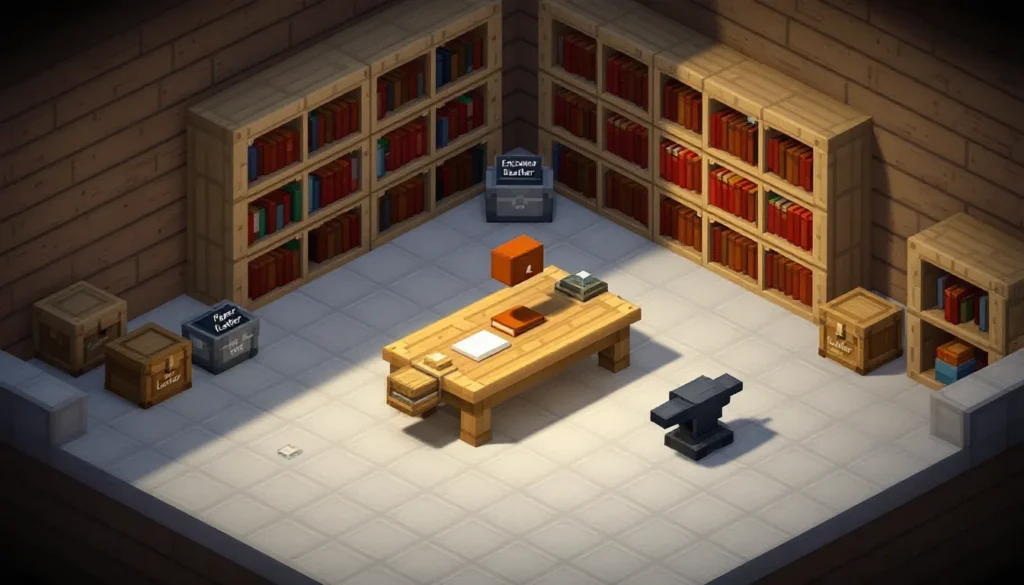
- A crafting table and furnace inside
- At least one chest for storage
- A bed if sheep wool has been collected
The Bed Changes Everything
Crafting a bed requires 3 wool blocks and 3 planks. Sleeping in a bed skips the night entirely and sets a respawn point. This single item transforms how Minecraft for beginners plays out.
Expand Gradually
Once the basic shelter works, players can add more rooms, windows, farms, and decorations. The starter base often grows into something impressive over time.