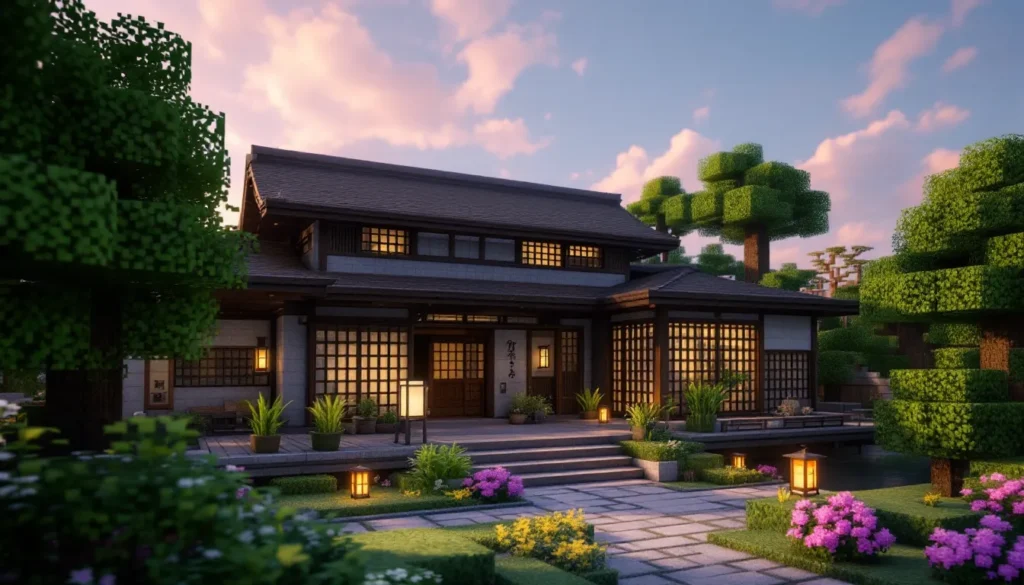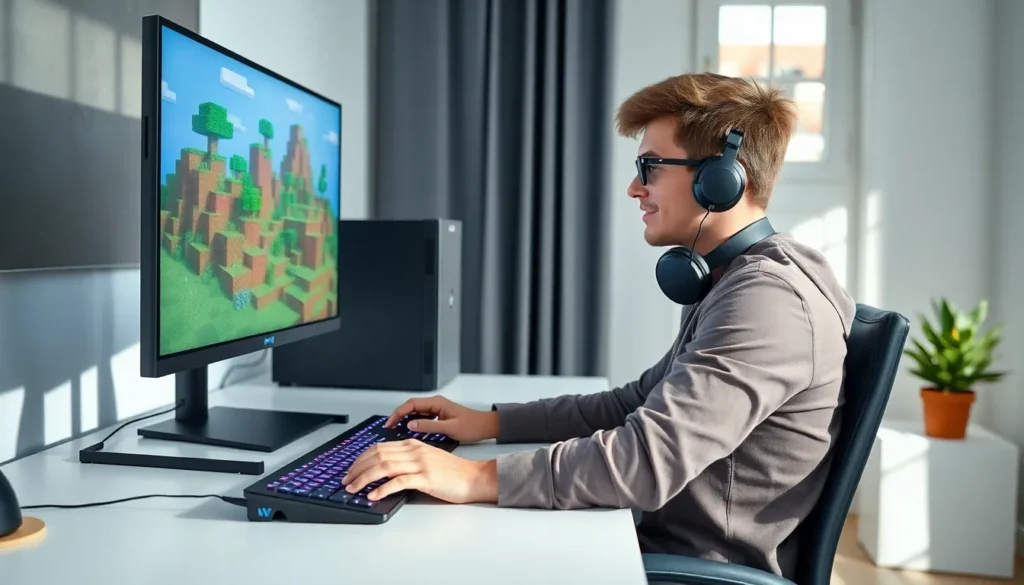

What is Minecraft? It’s a sandbox video game that lets players build, explore, and survive in a blocky 3D world. Since its release in 2011, Minecraft has sold over 300 million copies worldwide, making it the best-selling video game of all time. The game appeals to children, adults, educators, and professional content creators alike. Players can mine resources, craft tools, fight creatures, or simply construct anything their imagination allows. This guide explains everything about Minecraft, from basic gameplay to why it continues to dominate gaming charts more than a decade after launch.
Key Takeaways
- Minecraft is a sandbox video game where players build, explore, and survive in a procedurally generated blocky 3D world with no set objectives.
- With over 300 million copies sold, Minecraft is the best-selling video game of all time and maintains over 170 million monthly active players.
- The game offers multiple modes including Survival (resource gathering and combat), Creative (unlimited building), and Hardcore (permanent death) to suit different play styles.
- Regular updates, extensive modding support, and cross-platform play across PC, consoles, and mobile keep Minecraft relevant more than a decade after launch.
- New players can start by purchasing the game for around $7–$30 depending on platform, with no subscription required for permanent access.
- Minecraft appeals to all ages—from children learning in classrooms with Minecraft Education Edition to adult content creators generating billions of views on YouTube and Twitch.
Understanding the Basics of Minecraft
Minecraft drops players into a procedurally generated world made entirely of blocks. Each block represents different materials like dirt, stone, wood, or ore. Players gather these resources by “mining” blocks and use them to “craft” items, tools, and structures, hence the name Minecraft.
The game operates on a simple loop: collect materials, build tools, create shelter, and expand. Players start with nothing and must punch trees to gather wood. Wood becomes planks. Planks become a crafting table. The crafting table unlocks hundreds of recipes for weapons, armor, and building materials.
Minecraft has no set objectives or storyline in the traditional sense. Players decide their own goals. Some want to defeat the Ender Dragon, the game’s final boss. Others prefer to build massive castles or recreate real-world landmarks block by block. This freedom defines what Minecraft is at its core.
The game world extends almost infinitely in every direction. Players encounter forests, deserts, mountains, oceans, and underground cave systems. Each biome contains unique resources and creatures. The day-night cycle adds tension, hostile mobs like zombies and skeletons spawn when darkness falls.
Game Modes and How They Differ
Minecraft offers several game modes that change how players interact with the world. The two primary modes are Survival and Creative.
Survival Mode
Survival Mode challenges players to gather resources, maintain health, and fend off enemies. Players must eat food to restore hunger bars and avoid taking damage from falls, lava, or hostile creatures. Death means losing all items in inventory unless players recover them quickly.
This mode rewards planning and strategy. Players mine underground for diamonds, smelt iron into armor, and build fortified bases. The progression system keeps players engaged as they work toward better equipment and bigger builds. Many consider Survival Mode the “true” Minecraft experience because it forces creativity through limitation.
Creative Mode
Creative Mode removes all restrictions. Players have unlimited resources, can fly freely, and cannot die. Every block and item is available instantly through the inventory menu.
This mode suits builders who want to construct without gathering materials first. Architects use Creative Mode to design cities, roller coasters, working computers, and pixel art spanning thousands of blocks. Many YouTube videos and viral Minecraft builds originate from Creative Mode sessions.
Other modes include Adventure Mode (for custom maps with special rules), Spectator Mode (for observing without interacting), and Hardcore Mode (Survival with permanent death).
Why Minecraft Remains Popular After More Than a Decade
Minecraft launched in 2011, yet it consistently ranks among the most-played games today. Several factors explain this lasting popularity.
First, the game receives regular updates. Developer Mojang Studios (owned by Microsoft since 2014) adds new biomes, creatures, blocks, and mechanics every year. Recent updates introduced deep dark caves, cherry blossom forests, and archaeological dig sites. Each update brings players back.
Second, Minecraft supports an enormous modding community. Thousands of free modifications change gameplay, add new content, or overhaul graphics. Players install shader packs for realistic lighting or modpacks that transform Minecraft into fantasy RPGs, space exploration games, or factory simulators.
Third, the game works across nearly every platform. Minecraft runs on PC, PlayStation, Xbox, Nintendo Switch, iOS, and Android. Cross-play lets friends on different devices join the same server. This accessibility keeps the player base unified and growing.
Finally, Minecraft found success in education. Minecraft Education Edition teaches coding, math, history, and collaboration in classrooms worldwide. Schools use the game to engage students who might struggle with traditional lessons. This educational angle introduces new generations to Minecraft every school year.
Who Plays Minecraft Today
The Minecraft player base spans all ages and demographics. Microsoft reported over 170 million monthly active players in 2024.
Children between ages 6 and 14 make up a significant portion of players. Parents often view Minecraft as a safer alternative to violent shooters or games with predatory monetization. The blocky graphics and creative focus appeal to younger audiences.
But, adults represent a substantial share too. Many current adult players started as teenagers when Minecraft first released. They’ve grown up with the game and continue playing for nostalgia, relaxation, or creative expression. Speedrunners compete to finish the game in under 10 minutes. Builders spend months on single projects.
Content creators drive Minecraft’s visibility. YouTubers and Twitch streamers produce Minecraft videos that generate billions of views. The Dream SMP server, a multiplayer role-playing series, attracted millions of dedicated fans. This content introduces Minecraft to viewers who might never have played otherwise.
Multiplayer servers host communities around specific activities. Some servers run competitive mini-games. Others operate economy-based survival worlds. A few host creative building competitions with cash prizes.
How to Get Started Playing Minecraft
Getting started with Minecraft requires choosing a platform and edition. Java Edition runs on Windows, Mac, and Linux computers. Bedrock Edition works on consoles, mobile devices, and Windows 10/11. Both editions offer the same core experience, though Java Edition has more modding options.
Players purchase Minecraft through the official website, console stores, or mobile app stores. The game costs around $30 for Java/Bedrock on PC or $7 on mobile. One purchase grants permanent access, no subscriptions required.
New players should start with a Survival Mode world on “Normal” difficulty. The first session typically involves:
- Punching a tree to collect wood
- Crafting a wooden pickaxe
- Mining stone to upgrade tools
- Building a basic shelter before nightfall
- Crafting torches to light the area
The Minecraft Wiki serves as an excellent resource for recipes, strategies, and information about mobs and biomes. YouTube tutorials cover everything from beginner basics to advanced redstone engineering.
Multiplayer adds another dimension. Players can host private servers for friends or join public servers with thousands of participants. Realms, Minecraft’s official hosting service, simplifies multiplayer setup for those who don’t want to manage server software.