
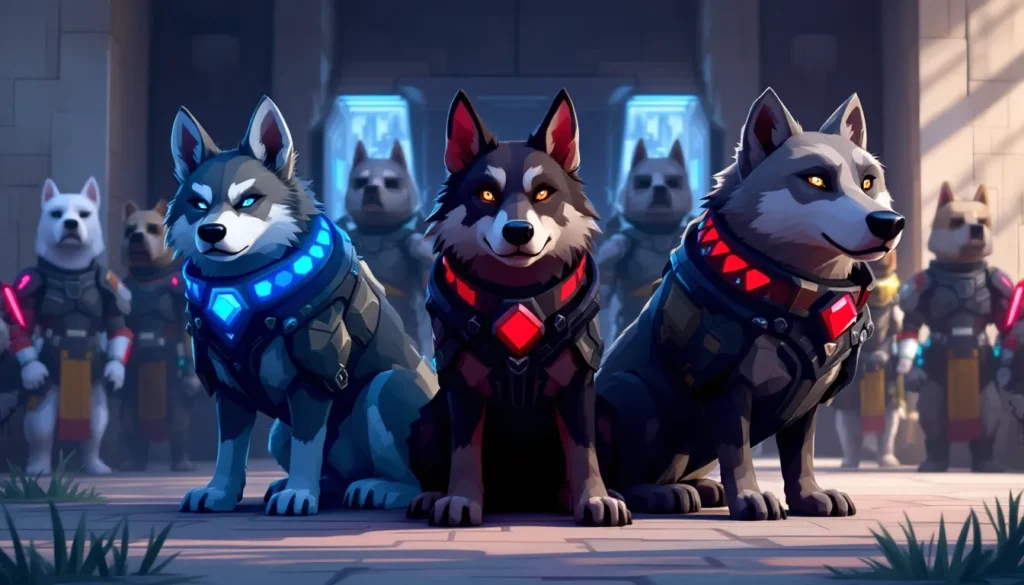

Minecraft dogs, or tamed wolves, technically, are some of the most customizable and beloved companions in the game. Whether you’re a casual builder or a hardcore survival veteran, having a pack of loyal dogs following you around is both practical and deeply satisfying. But here’s the thing: most players don’t realize just how many variants exist, or how much control they have over their appearance and traits. From different fur colors and collar options to breeding mechanics that let you combine specific traits, there’s a surprising depth to dog customization that goes largely unexplored. This guide breaks down everything you need to know about minecraft dog variants, including how to find, tame, breed, and showcase them across all editions of the game.
Table of Contents
ToggleKey Takeaways
- Minecraft dog variants can be customized through 16 collar dye colors, biome-specific fur variations (especially in Java Edition 1.20+), and wolf armor types that drastically change appearance and function.
- Taming wolves requires bones dropped by skeletons, with each bone having roughly a 33% taming chance, so collecting 2–5 bones per wolf is essential for efficiently building your pack.
- Selective breeding of Minecraft dogs from the same biome reinforces fur color traits in offspring, allowing dedicated players to establish specific visual lines over multiple generations.
- Java Edition offers superior customization with biome-influenced wolf colors and expanded variants, while Bedrock Edition relies more heavily on dye and armor customization due to fewer natural fur variations.
- A pack of 5–10 well-trained dogs provides both practical combat benefits and aesthetic value, attacking hostile mobs automatically and enhancing survival gameplay across all game editions.
- Managing multiple dogs efficiently requires creating themed packs with coordinated collar colors, using name tags for organization, and establishing dedicated kennels near your base to prevent lag and maintain pack identity.
Understanding Minecraft Dogs and Their Origins
Minecraft dogs are tamed wolves, and they’re one of the game’s oldest and most recognizable features. When you tame a wolf with bones (typically dropped by skeletons), it becomes a dog, complete with a red collar and a heart animation. This mechanic has been in the game since early versions, but the customization options have expanded significantly over time.
The appeal of dogs goes beyond aesthetics. A well-trained pack provides genuine utility: they teleport to you when you take damage in Survival mode, they attack mobs that strike you, and they can help clear hostile creatures during mining expeditions. Their loyalty isn’t just flavor, it’s a practical asset. For players building in dangerous biomes or exploring deep caves, a squad of dogs is almost essential.
What separates dogs from other pets in Minecraft is the level of personalization available. Unlike cats, which have a handful of skin variations, dogs can be customized in multiple ways simultaneously. You can change collar colors, alter fur appearance through breeding, and even influence traits by selecting which wolves you breed together. This depth has made dog collecting and breeding a legitimate endgame activity for dedicated players.
How Wolf Spawning Works in Different Biomes
Not all wolves are created equal in Minecraft. Where you find them matters. Wolves spawn naturally in forests, taigas, and other biome variants with trees. But here’s the critical detail: the specific biome type actually influences wolf appearance, which opens up possibilities for finding variants without breeding.
In Java Edition (as of version 1.20 and later), wolves display different fur colors based on their spawning biome. Forests spawn wolves with standard gray fur, while taigas produce wolves with slightly different coloration. This biome-specific spawning is less pronounced than in some other games, but observant players will notice subtle differences in coat color when traveling between regions.
Bedrock Edition handles this differently, wolves generally spawn with more uniform appearance across biomes, though this is subject to version changes. If you’re playing on Switch, PlayStation, or Xbox, the biome influence on spawn variants is minimal compared to Java.
The practical takeaway: if you’re hunting for wolves with specific fur patterns or colorations, Java Edition offers better opportunities through biome exploration. Bedrock players who want visual variety rely more heavily on breeding and dye customization. Knowing which edition you’re on changes your hunting strategy significantly.
The Complete List of Dog Variants Available in Minecraft
This is where the customization depth becomes apparent. Dogs in Minecraft don’t have “locked” variants like some other pets, instead, their appearance is controlled by specific mechanics.
Collar Colors and Collar Customization
When you tame a wolf with bones, it spawns with a red collar. This is the default. But, you can immediately change that collar color using dyes. The collar can be any of the 16 dye colors available in the game:
- Red (default)
- Orange
- Yellow
- Lime
- Green
- Cyan
- Light Blue
- Blue
- Purple
- Magenta
- Pink
- White
- Light Gray
- Gray
- Black
- Brown
Right-click your dog with a dye item to change its collar color instantly. This is one of the easiest ways to differentiate dogs in a large pack, create a color-coded system where different colored collars indicate different purposes or pack groups. This method works identically across Java and Bedrock editions.
Fur Color Variations Based on Biome Type
The fur color is trickier and depends on which edition you’re playing. In Java Edition (version 1.20+), wolves spawned in different biomes have subtle fur variations. The key wolf fur colors are:
- Taiga Wolves: Slightly lighter, cooler-toned gray
- Forest Wolves: Standard medium gray
- Snowy Taiga Wolves: Lighter coloration with hints of white
- Old Growth Taiga Wolves: Darker, deeper gray tones
These differences are subtle but noticeable once you start comparing wolves side-by-side. Breeding wolves from the same biome tends to reinforce these color traits in offspring.
In Bedrock Edition, wolves have less biome-specific variation. You get primarily standard gray wolves regardless of where they spawn. This means visual diversity on Bedrock relies more on dye customization than on natural fur color variance.
Note: As of the 1.20 update for Java Edition, wolf armor was introduced, adding another layer of visual customization. Different armor types (leather, iron) provide additional aesthetic options beyond collar and fur variations.
Taming Dogs and Building Your Perfect Pack
Getting dogs in the first place requires a specific approach. Understanding the mechanics ensures you build a pack efficiently.
Best Methods for Taming Wolves
Taming a wolf is straightforward but requires patience:
- Locate a wolf in a forest or taiga biome
- Collect bones by killing skeletons (you need several per wolf)
- Right-click the wolf with bones repeatedly until hearts appear above its head and a red collar shows
- Confirm taming when the wolf’s tail stands up and it stops attacking
Each bone has roughly a 33% chance to tame the wolf, so expect to use 2-5 bones per wolf. The variance can be frustrating in vanilla survival, but it’s the intended mechanic.
One efficient strategy: find a skeleton spawner near wolves, or set up a skeleton farm and farm bones in advance. Having a stockpile of 50+ bones lets you tame 10-15 dogs quickly once you locate a suitable wolf pack.
On Bedrock and Java alike, the taming mechanics are identical. Platform doesn’t matter here, only patience and bone availability.
Managing Multiple Dogs and Breeding Mechanics
Once you’ve got multiple dogs, management becomes important. Unlike some pets, dogs don’t have a follow/stay toggle in vanilla Minecraft, they always follow you unless you put them in a boat or on a lead. For large packs, this can clutter your screen and make navigation annoying.
Solution: use a large fenced enclosure near your base as a dog house. Keep inactive dogs there and bring out 3-5 favorites for adventures. This prevents lag, keeps your pack organized, and protects dogs from accidental damage.
Breeding requires meat, raw or cooked beef, pork, or chicken. Right-click two tamed dogs with meat, and they’ll produce puppies. Puppies inherit some traits from their parents, including fur color tendencies and, as of recent updates, armor traits.
Breeding doesn’t require specific conditions like breeding villagers, no mood system, no profession matching. Just two dogs, meat, and patience. Puppies take time to grow to adults (about 20 minutes of in-game time), so plan accordingly if you’re breeding intentionally.
Breeding Dogs for Specific Variant Traits
Here’s where dog breeding becomes a legitimate strategy: selecting which dogs you breed together influences offspring traits in measurable ways.
In Java Edition 1.20+, fur color shows genuine inheritance. If you breed two wolves with similar fur tones, say, both from taiga biomes, their puppies tend toward that coloration. This isn’t 100% guaranteed (Minecraft uses RNG for trait inheritance), but the tendency is real. Some players have successfully bred lines of lighter or darker wolves by selectively pairing parents with desired traits.
The process requires patience and documentation:
- Tame wolves from the same or similar biomes
- Mark them somehow (use name tags, or note their location)
- Breed them and observe offspring coloration
- Keep puppies that match your target color
- Breed successful lines together to refine traits further
- Repeat over multiple generations to establish a consistent line
This approach mirrors real-world dog breeding in concept: selective pairing toward desired traits. It’s time-consuming but rewarding for players who want a visually cohesive pack.
On Bedrock, trait inheritance is less pronounced due to fewer natural fur variants. You can still breed for other characteristics, collar color persistence isn’t a thing (puppies spawn with red collars and need recoloring), but personality and behavioral traits don’t vary significantly across Bedrock dogs.
Name tags are your friend here. Tame an exceptional dog with a desired trait, slap a name tag on it, and use it as a breeding cornerstone. Named dogs also won’t despawn, ensuring your breeding program survives world edits and server resets.
Advanced Customization and Aesthetic Choices
Beyond basic taming and breeding, there’s surprising depth to making dogs look and function exactly how you want.
Using Dyes and Equipment to Personalize Your Dogs
Dyes are the primary customization tool. Every dog can have a uniquely colored collar, enabling visual organization of large packs. Create a system: red collars for guard dogs, blue for mining buddies, green for explorers. This isn’t just cosmetic, it helps you manage pack identity and remember specific dogs’ purposes.
Wolf armor, introduced in version 1.20 for Java Edition, is a game-changer. You can craft or find armor in different materials, leather, iron, or diamond, and equip it on dogs. The armor is purely cosmetic and provides no mechanical protection, but it drastically changes visual appearance. A dog in iron armor looks battle-ready: one in leather looks slightly different. Mix armor types across your pack for a truly distinctive look.
To equip armor, simply right-click a dog with an armor piece. The armor persists even if the dog takes damage, and it works identically on both Java and Bedrock (where it was later added).
Name tags add another layer. Using an anvil, rename dogs before taming them (or use name tags post-taming) to give them individual identities. Showing guests your pack of named, armored dogs with coordinated collars is a powerful flex.
Creating Themed Dog Packs and Collections
Some players take dog customization to extremes by creating thematic packs. Examples:
- Royal Guard: Diamond armor, gold collars, positioned around your base entrance
- Mining Squad: Iron armor, orange collars, trained to specific caves
- Nether Exploration Team: Red and black collars with leather armor for a demonic aesthetic
- Ocean Explorers: Cyan and blue collars, positioned near water
- Christmas Pack: Red and green collars (dyed), positioned decoratively for holiday builds
The technical limit is 20 dogs before lag becomes noticeable on most systems, though you can push beyond this on high-end hardware. The real limit is your patience in taming and customizing them.
Themed packs aren’t just fun, they’re a form of expression. Showing off a cohesive, well-organized dog collection is a mark of dedication and creativity. Build a dedicated dog showcase building with separate pens for each themed group, and you’ve got a destination feature for your world.
Dog Variants Across Different Minecraft Editions
Dog mechanics vary surprisingly between editions. Understanding these differences matters if you play across platforms or are deciding where to invest time.
Java Edition vs. Bedrock Edition Differences
Java Edition has historically led in dog customization features. The 1.20 update added wolf armor and expanded biome-specific wolf variants, giving Java players more visual diversity options. Breeding for fur color variations is more rewarding on Java due to these natural variants.
Bedrock Edition (available on PC, Switch, PlayStation, and Xbox) has caught up in recent years but still lags slightly. Wolf armor is now available on Bedrock, closing a key gap. But, biome-specific fur variations are less pronounced, making natural variant hunting less rewarding.
The collar dye system works identically on both editions. Taming mechanics are identical. Breeding functions the same way. The differences are mainly cosmetic and trait-inheritance related.
One practical difference: Java Edition allows more fine-grained control through commands. If you’re on a server with operator access, you can use commands to set armor types, colors, and other attributes directly. Bedrock has similar command support but with different syntax.
If you’re playing casually and don’t care about breeding for specific traits, the edition matters far less. A tamed dog is useful and cute regardless of platform. The differences matter most to players pushing toward complete visual customization or breeding specific variants.
Snapshot Updates and New Variant Additions
Minecraft updates add new features regularly. Snapshots (early testing versions on Java Edition) often introduce dog-related changes before they hit the full release.
Recent snapshots have tested expanded wolf variants, potential new collar styles, and armor texture improvements. As of late 2024 into 2025, the snapshot versions are exploring ways to make dog packs more visually distinct and mechanically diverse.
Consult the official Minecraft launcher and snapshot changelogs for current information on what’s being tested. Features in snapshots may or may not make it to the full release, so treat them as experimental.
Bedrock updates sync with major Java releases, so new dog features usually arrive simultaneously across platforms a few months after Java testing. This means staying informed about Java snapshots gives you a preview of what’s coming to all editions.
Practical Tips for Showcasing and Using Your Dogs
Once you’ve built a customized pack, how do you actually use and display it?
In Combat: Dogs are combat multipliers. A pack of 5-10 dogs applies pressure to even dangerous mobs. But, they can’t use advanced tactics, they just attack what you attack. Use them as damage-dealers, not tanks. Position them ahead of you when exploring dark caves, and let them handle initial aggression while you prepare weapons.
For Base Defense: Dogs positioned around your perimeter will aggress on any hostile mobs that approach. They don’t prevent breakthrough, but they reduce the damage you take. Some players create “dog patrol routes” by placing them strategically around their base.
For Aesthetic Display: Build a dedicated dog pen or kennels near your base. Use fences, gates, and themed decorative blocks. Organize dogs by color or function. This serves no mechanical purpose but signals to other players (or yourself) that you’ve invested in your pack. Photo opportunities abound, use third-person view to capture your team looking heroic.
For Organization: If you have 10+ dogs, name them based on purpose or location. Use name tags and create a legend (written in a book and quill, or just mentally) tracking which dog does what. “Guard Dog 1,” “Cave Explorer Alpha,” “Breeding Female 3.”, whatever system makes sense to you.
For Multiplayer: On servers, trained dog packs are valuable assets. Other players will recognize the investment required. Some servers have competitive “dog shows” or pet competitions: showcase-quality packs can earn respect and bragging rights.
Interestingly, modding communities on platforms like Nexus Mods offer cosmetic packs and texture overhauls for dogs that expand variant appearance options beyond vanilla. If you’re on Java Edition and want even more customization, exploring mods opens a whole new category of dog variants and aesthetic choices.
The Nintendo Switch version, accessible through the Nintendo eShop, has identical dog mechanics to Bedrock, making it viable for casual dog collection and breeding.
Conclusion
Minecraft dog variants offer surprising depth for a feature that seems simple on the surface. From collar colors and biome-specific fur variations to armor customization and selective breeding strategies, there’s genuinely meaningful content here for players interested in pet collection and customization.
The practical value doesn’t hurt either. A well-trained pack enhances survival gameplay, provides reliable protection, and eliminates the isolation of solo exploring. Whether you’re building for aesthetics, function, or both, dogs deliver.
If you haven’t dived into serious dog customization, start simple: tame a few wolves, give them colored collars, and observe how different you can make them with minimal effort. From there, branch into breeding, armor, and theming. The rabbit hole goes as deep as you want it to.


