
Minecraft strategies separate casual players from true survival experts. Whether someone just spawned into a new world or has played for years, smart planning makes every session more rewarding. This guide covers practical tips for early survival, resource management, combat, and automation. Players will learn how to build stronger bases, fight mobs more effectively, and create redstone machines that save hours of work. These Minecraft strategies apply to both Java and Bedrock editions, so every player can put them to use right away.
Key Takeaways
- Effective Minecraft strategies start with smart early-game planning—punch trees immediately, craft a wooden pickaxe first, and secure shelter before nightfall.
- Mine for diamonds between Y-levels -59 and -64 using branch mining to maximize resource collection while conserving tools.
- Use shields to block frontal attacks and wait for the attack meter to fully recharge between sword swings for maximum damage output.
- Build defensible bases with two-block-high walls, overhangs to stop spiders, and multiple exits for emergency escapes.
- Automate repetitive tasks with redstone—crop farms, mob farms, and item sorters save hours of manual work and boost efficiency.
- Proper preparation for boss fights includes slow-falling potions and crystal destruction for the Ender Dragon, and confined underground spaces with golden apples for the Wither.
Mastering Early Game Survival
The first day in Minecraft sets the tone for everything that follows. Smart players punch trees immediately after spawning to gather wood. Wood becomes planks, planks become a crafting table, and that table unlocks dozens of essential tools.
Prioritize a wooden pickaxe first. Stone tools require cobblestone, and cobblestone requires a pickaxe. This simple chain defines early Minecraft strategies, always think one step ahead.
Finding Shelter Before Night
Night arrives fast. Players have roughly ten minutes of daylight before hostile mobs spawn. A basic shelter doesn’t need to be pretty. Dig three blocks into a hillside, place a door, and wait out the darkness. This approach beats building elaborate structures while zombies approach.
Some players prefer to keep moving during the first night, but this creates unnecessary risk. A creeper explosion can end a run before it really starts. Stay inside, craft torches, and plan the next day’s goals.
Food and Health Management
Hunger depletes stamina and stops health regeneration. Kill passive mobs like pigs, cows, or sheep early. Cook the meat in a furnace for better hunger restoration. Raw meat works in emergencies, but cooked food restores more hunger points.
Players should start a small wheat farm within the first few days. Seeds drop from tall grass, and wheat grows with sunlight and water nearby. A steady food supply lets players focus on bigger goals instead of constant hunting.
Resource Gathering and Base Building Techniques
Efficient resource gathering separates struggling players from thriving ones. Mining at the wrong level wastes time. Diamond ore generates most frequently between Y-levels -59 and -64 in current versions. Players should dig down to these depths and branch mine horizontally.
Branch mining works like this: dig a main tunnel, then create side tunnels every two or three blocks. This pattern exposes the maximum number of blocks while moving forward. Strip mining, digging straight lines, uses more pickaxes for fewer results.
Organizing Storage Systems
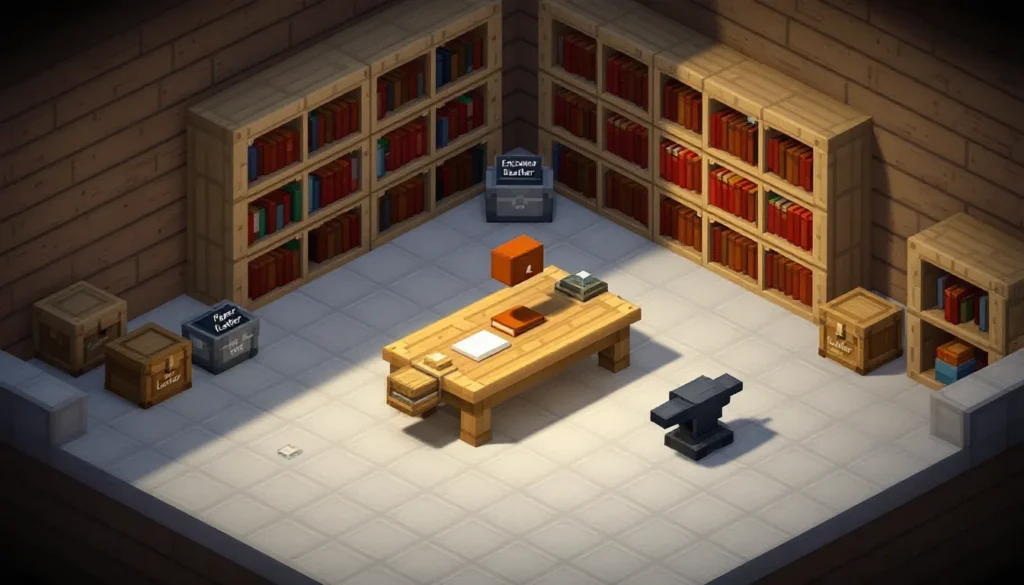
Chest organization matters more than most players realize. Label chests with item frames or signs. Group similar items together: ores in one area, food in another, building materials in a third section. This system saves time during long play sessions.
Minecraft strategies for storage should include a “dump chest” near the base entrance. Players drop inventory there after returning from expeditions, then sort items later. This prevents the frustrating search through random chests for one specific item.
Building Defensible Bases
Location matters for base building. Flat areas near water offer easy access to farms and fishing. Elevated positions provide natural defense against mobs. Some players build on mountains: others hollow out underground bunkers.
Walls should stand at least two blocks high. Spiders climb single-block walls easily. Add an overhang or fence on top to stop them completely. Light the surrounding area with torches to prevent mob spawns within 14 blocks of the base.
A well-designed base includes multiple exits. Players trapped by a creeper at the front door need another way out. Build escape tunnels that lead away from the main structure.
Combat Strategies for Mobs and Bosses
Combat in Minecraft rewards patience over aggression. Spam-clicking swords reduces damage output. Wait for the attack meter to fully recharge between swings. This timing applies to all melee weapons and makes every hit count.
Shields block most frontal attacks. Hold a shield in the off-hand slot and right-click to raise it. Skeletons, zombies, and even creeper explosions deal reduced damage to shielded players. The shield breaks eventually, so carry backup materials for repairs.
Fighting Common Mobs
Creepers require distance. Hit them, back away, and repeat. They explode when close, so maintaining space prevents damage. A bow works better than a sword against creepers in open areas.
Skeletons strafe constantly while shooting arrows. Close the distance quickly and get behind obstacles between shots. Once within melee range, skeletons struggle to fight back.
Endermen teleport when damaged by arrows, so melee attacks work best. Build a two-block-high ceiling overhead, Endermen stand three blocks tall and can’t reach players under low cover. Hit their legs safely from this position.
Boss Fight Preparation
The Ender Dragon requires serious preparation. Bring slow-falling potions, a bow with plenty of arrows, and iron or diamond armor at minimum. Destroy the end crystals on top of obsidian towers first. These crystals heal the dragon continuously.
The Wither demands even more preparation. Fight it underground in a confined space to limit its movement. Pack golden apples, strength potions, and the best armor available. The Wither’s second phase makes it immune to arrows, so strong melee weapons become essential.
Advanced Redstone and Automation Tips
Redstone transforms Minecraft from a survival game into an engineering sandbox. Simple circuits automate repetitive tasks and save hours of manual work.
Start with basic mechanisms. A lever connected to a door creates a remote entry system. A pressure plate activates note blocks when players walk over it. These small projects teach fundamental redstone concepts.
Automatic Farms
Crop farms benefit the most from automation. Water channels push harvested items toward a collection point. Observers detect when crops reach full growth and trigger pistons to break them. The items float to hoppers, which deposit them into chests.
Mob farms generate experience and drops passively. Build a dark room high in the sky where mobs spawn naturally. Use water streams to push them into a central drop shaft. The fall damage kills them, and hoppers collect the loot.
Iron farms use villager mechanics to spawn iron golems. The golems die in lava, dropping iron ingots into collection systems below. A single iron farm produces hundreds of ingots per hour without player input.
Useful Redstone Contraptions
Piston doors look impressive and function smoothly. Two sticky pistons on each side, connected to a central button, create a seamless opening. Hidden doors behind paintings use the same principle.
Item sorters filter storage automatically. Hoppers check for specific items and redirect them to designated chests. Players dump all their loot into one input chest, and the system sorts everything correctly.
These Minecraft strategies take time to master, but automation pays dividends throughout a playthrough.