
Minecraft tips can transform a frustrating survival experience into an enjoyable adventure. Whether players are spawning into their first world or have hundreds of hours logged, there’s always something new to learn. The game rewards curiosity, preparation, and creativity in equal measure.
This guide covers practical Minecraft tips that apply to both newcomers and veterans. From surviving that critical first night to setting up automated farms, these strategies will help players build better, fight smarter, and mine more efficiently. Let’s get into it.
Key Takeaways
- Survive your first night by gathering 10-15 wood blocks immediately, crafting a bed with wool and planks, or digging into a hillside for shelter.
- Use branch mining at Y-level -59 to find diamonds efficiently, and always carry water buckets to handle lava and prevent fall damage.
- Master combat by waiting for the full attack cooldown before striking—full-power hits deal double damage compared to spam-clicking.
- Light your base thoroughly with torches every 12 blocks to prevent hostile mob spawns and build walls at least two blocks high to stop spiders.
- Start with simple redstone projects like automatic doors and basic farm automation before tackling complex machinery.
- These Minecraft tips apply to both beginners and veterans—organization, preparation, and experimentation are the keys to long-term success.
Mastering the First Night
The first night in Minecraft kills more players than any boss fight. New players often panic, but a few Minecraft tips can make those initial ten minutes manageable.
Punch trees immediately. Seriously, don’t admire the scenery. Players need at least 10-15 wood blocks before sunset. This wood converts into planks, then a crafting table, then wooden tools.
Prioritize a wooden pickaxe first. Stone tools require cobblestone, and cobblestone requires a pickaxe. Skip the wooden sword initially: punching sheep for wool matters more.
Three wool blocks plus three planks create a bed. A bed skips the night entirely and sets a spawn point. This is the safest first-night strategy for beginners.
No wool? Dig into a hillside. Create a small 3×3 room and block the entrance with dirt. Leave one block open at eye level to watch for dawn. It’s not glamorous, but it works.
Experienced players can use the first night productively. Mine coal immediately after crafting stone tools. Torches prevent mob spawns and allow safe nighttime exploration. Some players even hunt zombies on night one for early iron drops.
Efficient Resource Gathering Strategies
Resource gathering defines the Minecraft experience. Smart strategies save hours of gameplay.
Mining Techniques
Branch mining remains the most efficient method for finding diamonds and other rare ores. Dig to Y-level -59 (below Y=-54 for maximum diamond spawns in version 1.18+). Create a main tunnel, then dig branches every third block on each side. This pattern exposes the maximum number of blocks with minimal digging.
Bring plenty of torches. Dark tunnels spawn hostile mobs. Place torches every 12 blocks on one side only, this creates a navigation system back to the surface.
Water buckets save lives in caves. Lava pools appear frequently at lower levels. A water bucket extinguishes fire, creates obsidian bridges over lava, and breaks falls from any height.
Surface Resources
Don’t ignore surface gathering. Sand near beaches provides glass for windows. Sugarcane along rivers creates paper for books and enchanting tables. Pumpkins in plains biomes become jack-o-lanterns for underwater lighting.
These Minecraft tips apply especially to iron. Iron ore generates throughout the world, but Y-level 16 offers the highest concentration. Players who need quick iron should strip mine at this level rather than diving deep.
Combat and Mob Survival Techniques
Combat in Minecraft rewards patience over aggression. Button-mashing depletes hunger and leaves players vulnerable.
Fighting Basics
Wait for the attack cooldown. A sword icon appears when swinging: let it reset fully before the next strike. Full-power hits deal double damage compared to spam-clicking.
Shields block most frontal attacks. Hold right-click while facing enemies to negate damage from skeletons, zombies, and even creeper explosions (if timed correctly). Craft a shield early, it requires only iron and planks.
Creepers deserve special attention. They explode when close, destroying blocks and dealing massive damage. Sprint toward them, hit once, then sprint backward. Repeat until dead. Never let them complete their hiss.
Mob-Specific Minecraft Tips
Skeletons strafe while shooting. Circle toward their bow arm to close distance. Alternatively, use blocks as cover and advance between shots.
Endermen teleport when damaged. Fight them in two-block-high spaces, they can’t teleport into areas where they don’t fit. Water also damages and repels them.
Without armor, avoid spider jockeys (spider + skeleton rider) entirely. They combine melee and ranged attacks. Run.
Experienced players should farm mobs for resources. Zombie spawners create unlimited rotten flesh for trading with clerics. Skeleton spawners provide bones for bone meal and arrows for combat.
Building Smarter Bases and Shelters
A good base does more than provide shelter. It organizes resources, protects valuables, and supports expansion.
Location Selection
Build near essential resources. A base between a forest, plains, and water source provides wood, food (animals), and fish. Mountain bases offer natural walls but limit farming space.
Avoid building in villages initially. Zombie sieges target villages specifically and can overwhelm unprepared players.
Practical Design Minecraft Tips
Light everything. Hostile mobs spawn in darkness (light level 0 in recent versions). Place torches every 12 blocks minimum. Glowstone and lanterns provide brighter, more aesthetic lighting.
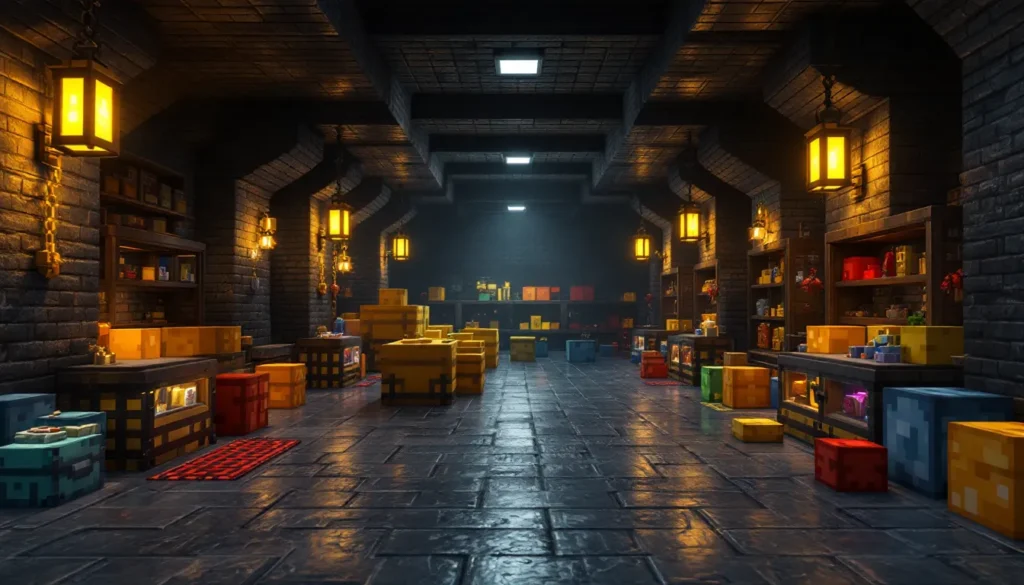
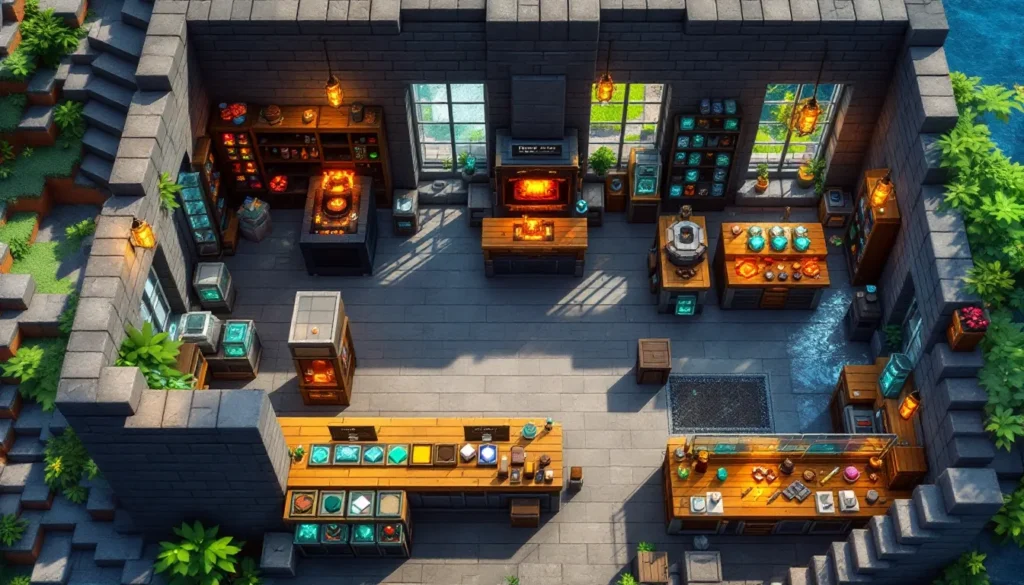
Create separate rooms for different functions: storage, crafting, sleeping, and farming. Label chests with item frames, organization prevents frustration later.
Build walls at least two blocks high. Spiders climb single-block walls. Add an overhang or lip to prevent climbing entirely.
Underground bases offer natural protection but require more torches and ventilation planning. Consider a semi-underground design: dig into a hill with windows facing outward. This combines security with natural light.
Storage Systems
Double chests hold 54 stacks. Group similar items together: ores in one area, food in another, building materials in a third. Use signs to label sections.
Keep valuables in an ender chest. These chests link across all dimensions, items stored in one appear in all others. Death doesn’t affect ender chest contents.
Redstone and Automation Basics
Redstone intimidates many players, but basic circuits require only a few components.
Understanding Redstone Power
Redstone dust transmits power up to 15 blocks. Power decreases by one level per block. Repeaters extend this range and add timing delays.
Levers provide constant power. Buttons provide momentary pulses. Pressure plates activate when stepped on. Each input type suits different applications.
Simple Automation Projects
Automatic doors impress visitors and save time. Place two pressure plates (one inside, one outside) connected to a door with redstone dust. The door opens on approach and closes automatically.
Farm automation saves hours. A basic wheat farm uses water channels to push harvested crops to a collection point. Add a dispenser with bone meal for rapid growth cycles.
These Minecraft tips for redstone beginners focus on function over complexity. Master simple circuits before attempting complex machinery.
Advanced Applications
Observers detect block changes. Place one facing a crop: it outputs a signal when the crop grows fully. Connect this to a piston system that harvests automatically.
Hoppers collect dropped items and transfer them into chests. Five iron ingots plus a chest creates one hopper. Chain hoppers together for item sorting systems.
Redstone becomes addictive once players understand the basics. Start small, experiment often, and don’t fear failure. Every exploded contraption teaches something useful.