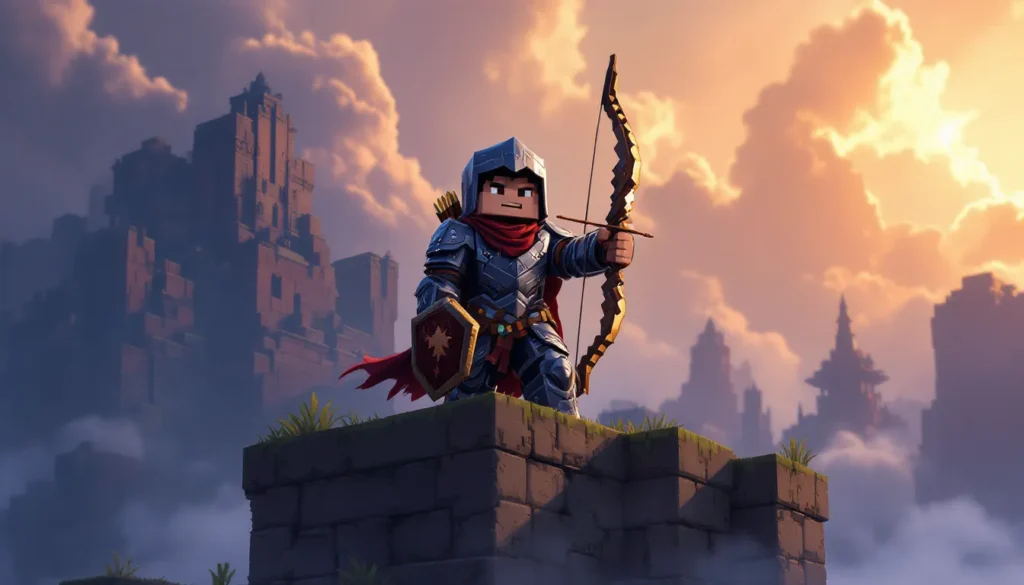

Oblivion strategies can make the difference between a frustrating playthrough and a legendary adventure. The Elder Scrolls IV: Oblivion remains one of the most beloved RPGs ever made, but its unique mechanics can trip up even experienced players. From the infamous leveling system to the vast open world of Cyrodiil, understanding how to approach this game properly saves hours of headaches.
This guide covers the essential oblivion strategies every player needs. Whether someone is starting their first character or returning after years away, these tips help build stronger heroes, fight smarter, and explore more effectively. The game rewards preparation and knowledge, so let’s get into it.
Key Takeaways
- Effective oblivion strategies begin with smart character creation—choose major skills you won’t use heavily to control your leveling pace.
- Prioritize Endurance early in your build since health gains are permanent and compound throughout your playthrough.
- Master combat by timing blocks to stagger enemies, managing fatigue, and using custom spells or poisons for maximum damage.
- Delay the main quest to complete guild quest lines first, especially the Mages Guild for access to spell-making and enchanting.
- Plan each level-up carefully by raising skills tied to desired attributes ten times to unlock the maximum +5 bonus and avoid overscaled enemies.
- Explore strategically by discovering fast travel points early and researching which quest rewards scale with player level before completing them.
Building an Effective Character
Character creation in Oblivion determines much of the playthrough experience. Smart oblivion strategies start here, with choices that pay off dozens of hours later.
Choosing the Right Race
Each race offers different stat bonuses and abilities. High Elves excel at magic with their bonus to Intelligence. Redguards make strong warriors thanks to their Adrenaline Rush power. Bretons resist magic damage naturally, which proves invaluable against enemy mages.
The best race depends on the intended playstyle. But, any race can succeed with proper planning.
Selecting Major Skills Wisely
Here’s where many players stumble. Oblivion’s leveling system ties character progression to major skill increases. Pick skills the character uses constantly, and they’ll level up fast, sometimes too fast.
A counterintuitive but effective strategy: choose major skills the player won’t use heavily early on. This provides more control over when level-ups occur. For example, a warrior might select Alchemy or Mercantile as major skills instead of Blade or Heavy Armor.
Birthsigns That Matter
The Atronach birthsign gives a massive Magicka boost and spell absorption, though it prevents natural Magicka regeneration. The Thief birthsign increases Agility, Speed, and Luck, all useful stats. The Lady offers nice bonuses to Willpower and Endurance.
Players should match their birthsign to their build. Mages benefit from The Apprentice or The Mage. Stealth characters thrive with The Thief or The Shadow.
Combat Tactics for Every Playstyle
Fighting in Oblivion requires more than button mashing. These oblivion strategies help players survive even the toughest encounters.
Melee Combat Tips
Timing matters in melee combat. Blocking at the right moment staggers enemies, creating openings for power attacks. Different power attacks serve different purposes, forward attacks deal extra damage, while sideways attacks can hit multiple foes.
Fatigue affects everything in combat. A tired character deals less damage and blocks less effectively. Keep that stamina bar green.
Magic Combat Approaches
Spellcasting offers flexibility that weapons can’t match. Destruction magic handles direct damage, but smart mages also use Illusion and Conjuration. Paralyze spells shut down dangerous enemies. Summoned creatures draw aggression and deal damage.
Custom spells through the Spellmaking altars open up serious possibilities. Players can create area-effect damage spells, multi-effect combinations, and powerful buffs.
Stealth and Archery
Stealth characters rely on positioning and patience. Sneak attacks with bows deal massive damage multipliers. The key is staying hidden, moving slowly, avoiding lit areas, and timing shots carefully.
Poisons complement stealth builds perfectly. Apply damage poisons to arrows for devastating opening strikes.
General Combat Oblivion Strategies
- Use terrain to funnel enemies into chokepoints
- Hot-key healing items for quick access
- Know when to retreat and recover
- Match weapon choices to enemy weaknesses
Leveling Efficiently Without Overscaling Enemies
Oblivion’s level scaling system increases enemy difficulty as the player levels up. Poor leveling leads to weak characters facing overpowered enemies. Good oblivion strategies prevent this problem entirely.
Understanding the Scaling System
Enemies scale based on player level. At low levels, bandits wear fur armor and carry iron weapons. At high levels, those same bandits sport glass armor and daedric weapons. The world literally becomes more dangerous.
Character stats only improve through attribute bonuses at level-up. Each attribute can increase by 1-5 points, depending on how many skill increases the player achieved in related skills.
The Efficient Leveling Method
Maximizing attribute gains requires planning. Before each level-up, players should increase skills tied to the attributes they want to boost. Ten skill increases in a governed attribute unlock the maximum +5 bonus.
For example, Strength governs Blade and Blunt. Raising these skills ten times before leveling allows a +5 Strength bonus at level-up.
Practical Leveling Tips
Endurance deserves early priority. It affects health gains, and those gains are permanent. A character who raises Endurance early has more total health than one who waits.
Speed and Intelligence also benefit from early investment. Speed affects movement, while Intelligence determines Magicka pools.
Some players use training sessions strategically. Trainers can teach skills up to their own skill level, making them useful for controlled skill advancement.
Avoiding Common Mistakes
Don’t level up immediately when the prompt appears. Wait until the right skills have increased. Don’t ignore governing attributes, unbalanced characters struggle in later game content.
Navigating Quests and Exploration
Cyrodiil contains hundreds of locations and dozens of quest lines. Smart oblivion strategies help players experience the best content without missing important opportunities.
Main Quest Considerations
The main quest can wait. In fact, delaying it offers advantages. Closing Oblivion gates becomes harder at higher levels, but the rewards scale with player level too. Some players complete guild quest lines first to build up skills and equipment.
But, progressing the main quest slightly opens up useful features. Martin at Cloud Ruler Temple can identify certain items, and Allies of Bruma helps defend the city later.
Guild Quest Lines
Each guild offers unique rewards and storylines:
- Fighters Guild: Straightforward combat quests with decent gold rewards
- Mages Guild: Access to spell-making and enchanting altars
- Thieves Guild: Stealth-focused missions with valuable fenced goods
- Dark Brotherhood: Assassination contracts with some of the game’s best writing
The Mages Guild deserves special attention. Completing it grants access to the Arcane University, where players create custom spells and enchant items.
Exploration Best Practices
Discover fast travel points early. Running to major cities at low levels establishes useful waypoints. The game doesn’t scale random encounters based on location, so sticking to roads proves safer.
Check underwater areas. Many hidden chests and caves contain valuable loot. The Fin Gleam helmet sits underwater near Anvil, it provides permanent water breathing and night eye.
Quest Rewards and Timing
Certain quest rewards scale with player level. The Umbra sword doesn’t scale, making it valuable early. But, Daedric artifact quests often give better rewards at higher levels. Research specific quests before completing them to maximize rewards.